
GAS BURNING
Gas Stoves offer realism of “live” dancing flames with all the conveniences of a modern gas appliance. They offer easy temperature control, energy efficient, low cost and eco-friendly. With just a flip of a switch you can enjoy the warmth instantly, without the efforts of loading wood or cleaning ashes when you are done.
The Gas Burning Collection
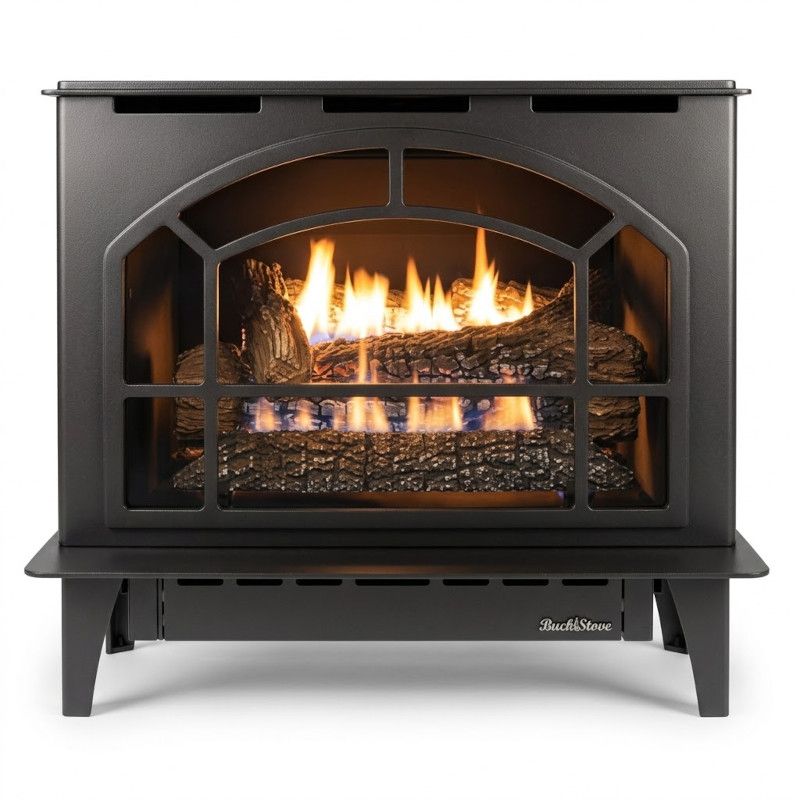
Gas Free-Standing Stoves
Enjoy the warmth and inviting ambiance of a gas fire with Buck Stove free-standing gas stoves. Designed to complement a variety of home interiors, these heating appliances offer the look of a traditional stove with the convenience of gas operation. Explore styles that bring comfort and character to your living space.
FIND OUT MORE
Gas Burning Mantels
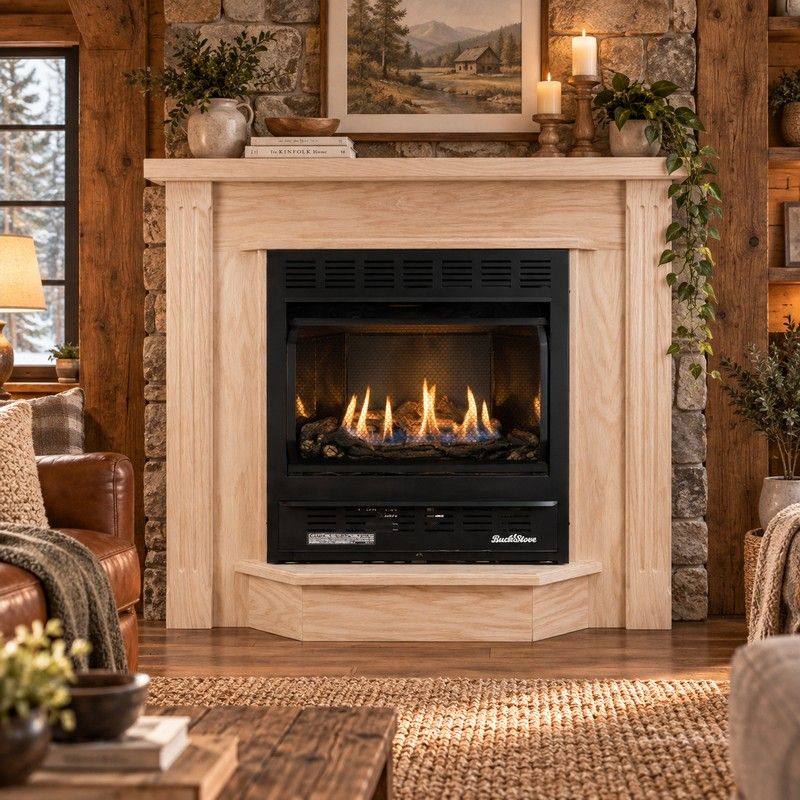
Add warmth and timeless style to your home with Buck Stove gas burning mantel systems. Featuring the charm of a fireplace with an attractive mantel design, these options create a welcoming focal point in your living room or family space. Discover mantel styles that combine classic character with convenient gas heating.
FIND OUT MORE
Gas Burning Inserts
Transform an existing fireplace with a Buck Stove gas burning insert. Designed to bring the comfort and ambiance of a gas fire into your home, these inserts offer an attractive fireplace upgrade without the need to maintain a traditional wood-burning fire. Explore available styles and configurations for your space.
FIND OUT MORE
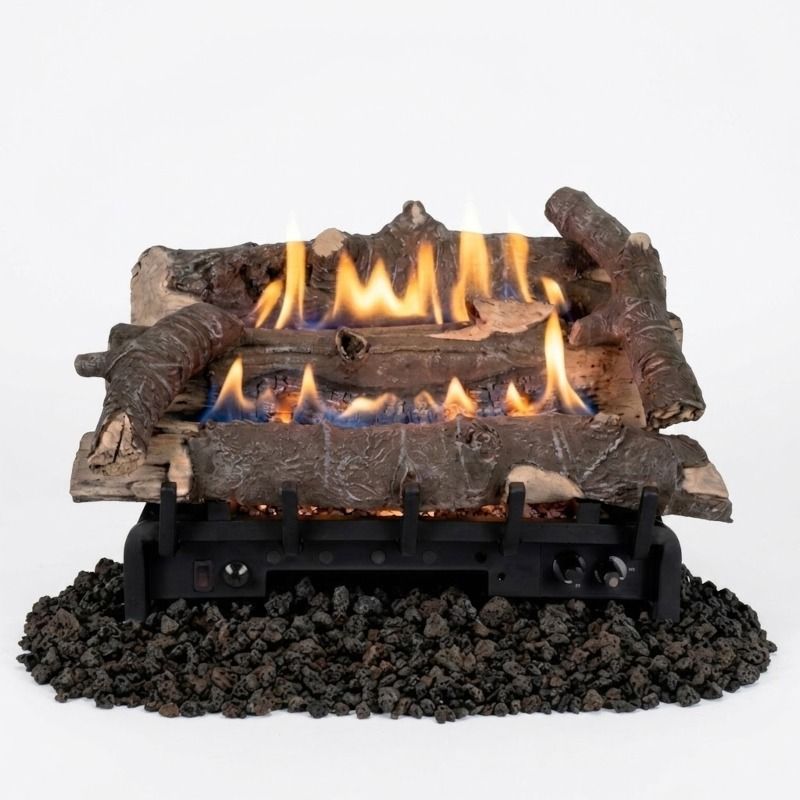
Gas Log Sets
Bring the traditional appearance of a wood fire to your fireplace with Buck Stove gas log sets. Featuring realistic-looking ceramic logs and a beautiful flame display, these sets create a cozy and inviting atmosphere. Enjoy the visual appeal of a fireplace with the convenience of gas operation.
FIND OUT MORE
Gas Burning Fireplaces
Create a beautiful centerpiece for your home with Buck Stove gas burning fireplaces. Designed to deliver the warmth and ambiance of a traditional fireplace with the convenience of gas, these fireplaces complement a range of interior styles. Explore options for adding comfort, atmosphere, and timeless fireplace appeal to your living space.
FIND OUT MOREFind Your Style
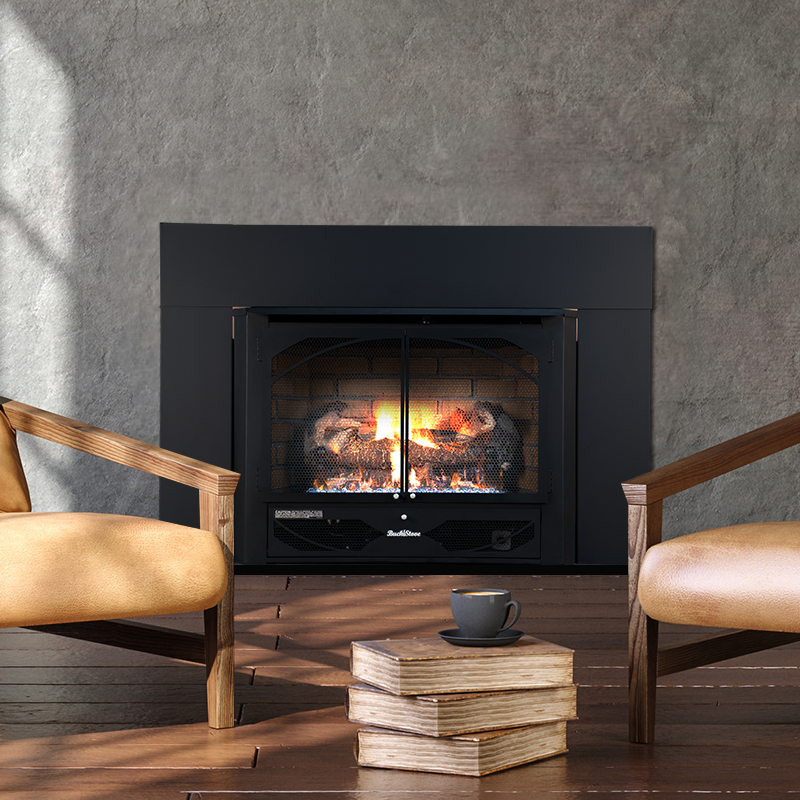
Elegant Fireplace Style
Create a warm and inviting focal point with a timeless fireplace design that adds comfort, charm, and character to your living space.
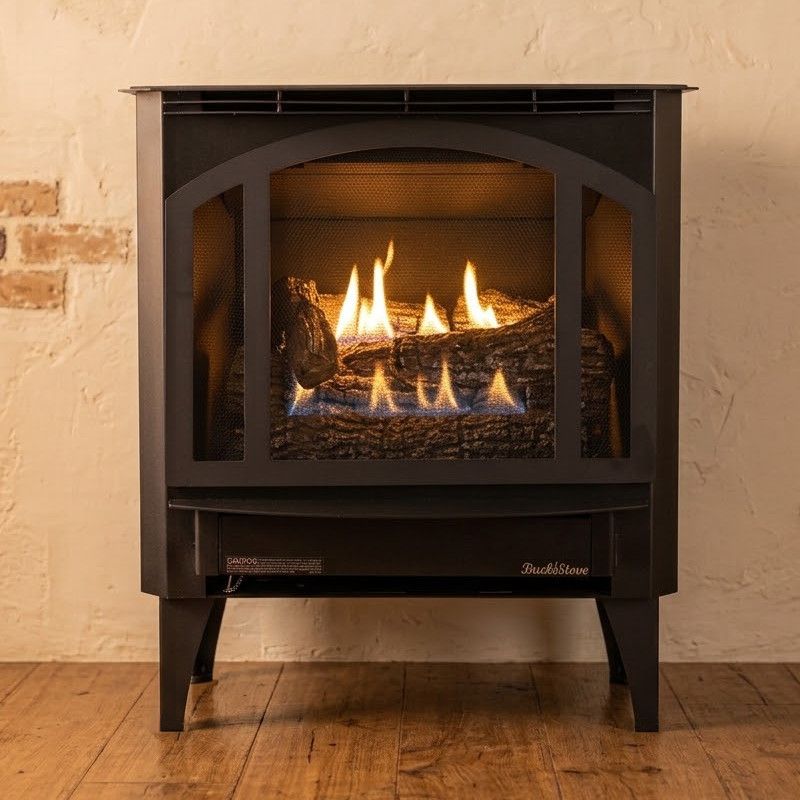
Modern Living Style
Give your space a clean, contemporary look with a stylish gas stove that blends beautifully with modern interiors and everyday comfort.
Classic Home Comfort
Bring a cozy, traditional feel into your home with classic stove styling that creates a welcoming atmosphere for family and guests.
Why Choose Gas Burning?
Convenient Operation
Enjoy the comfort of a fire with easy ignition and convenient controls, depending on the appliance model.
Realistic Flame Experience
Enjoy the inviting glow and warmth of gas flames with attractive logs and decorative fire displays.
Cleaner Heating
Gas-burning appliances produce no wood ash or leftover firewood, making routine cleanup easier.
Zone Heating
Warm the rooms you use most with targeted heating, helping reduce reliance on your central heating system.
Easy Temperature Control
Adjust your comfort level with convenient controls and thermostat features on compatible models.
Less Daily Maintenance
No firewood stacking, ash removal, or regular fire tending. Enjoy a more convenient heating experience.
Versatile Designs
Choose from freestanding stoves, fireplace inserts, mantel models, gas log sets, and built-in fireplaces.
Comfort When You Need It
Enjoy convenient supplemental heat and a welcoming fireplace atmosphere during colder days.
Frequently Asked Questions
Are gas heating stoves safe?
Gas heating stoves are safe when they are properly installed, operated according to manufacturer instructions, and maintained on a regular schedule. Direct-vent models use sealed combustion systems that draw air from outdoors and vent exhaust outside, making them one of the safest options for residential heating. Vent-free models are also designed with built-in safety features, including oxygen depletion sensors, but they must be installed in accordance with local building codes and manufacturer requirements. Regular inspections, proper clearances, and correct fuel connections help ensure safe and reliable operation over the life of the appliance.
Do gas heating stoves need electricity?
Many gas heating stoves can operate without household electricity because they use standing pilot lights or millivolt ignition systems to ignite the burner and produce heat. These models can continue providing heat during a power outage, making them a useful backup heating option. However, optional features such as blower fans, remote controls, electronic ignition systems, and thermostats may require electrical power to function. Always review the manufacturer's specifications to determine which functions will operate with or without electricity.
What fuel do gas heating stoves use?
Gas heating stoves typically use either natural gas or propane. Most models are manufactured for one specific fuel type or include conversion options that allow them to operate with either fuel when approved by the manufacturer. Natural gas stoves are commonly installed in homes connected to a utility gas line, while propane stoves are popular in rural locations, cabins, and properties without natural gas service. Before purchasing a gas heating stove, it is important to verify that the appliance matches the available fuel source and installation requirements.
Do gas heating stoves need a chimney?
No, most of these stoves do not require a traditional masonry chimney because they are designed as either direct-vent or vent-free appliances. Direct-vent models use a dedicated vent pipe that brings in combustion air and exhausts gases outside through a wall or roof. Vent-free models do not require external venting where permitted by local building codes. Always follow the manufacturer's venting requirements and local regulations when selecting and installing a gas heating stove.
Can gas heating stoves heat a whole house?
Sometimes a gas heating stove can heat an entire house if the home is relatively small, has an open floor plan, and the stove's BTU output is properly matched to the heating load. However, vent-free stoves are not recommended to be the primary heat source for any home. In most homes, gas heating stoves are used as supplemental or zone-heating appliances that provide heat to specific rooms or areas rather than every room in the house. For whole-home heating, a central furnace or another dedicated heating system is typically a more effective solution, especially in larger homes with multiple enclosed spaces.
How long do gas heating stoves last?
These stoves typically last 15 to 25 years when they are properly installed, regularly maintained, and operated according to the manufacturer's guidelines. The lifespan can vary based on the quality of the stove, frequency of use, fuel type, and environmental conditions. Routine inspections, burner cleaning, and prompt replacement of worn components can help extend the unit's service life. Purchasing a well-built model from a reputable manufacturer and following recommended maintenance schedules can maximize long-term performance and reliability.
Can gas heating stoves work during outages?
All gas heating stoves can be used during a power outage. Millivolt ignition requires no electricity, while electronic ignition systems have a battery backup. These models are often used as emergency or backup heat sources because they can operate when the electrical grid is unavailable. However, optional features such as blower fans, remote controls, and electronic thermostats may not function until power is restored. Always review the manufacturer's specifications to confirm which stove functions remain operational during an outage.
Do gas heating stoves need ventilation?
Ventilation needs of a gas heating stove depend on its type. Direct-vent gas heating stoves require a venting system that brings in combustion air and exhausts combustion gases outside the home. Vent-free gas heating stoves are designed to operate without external venting, although they must comply with local building codes and manufacturer requirements. Always verify the venting requirements for the specific stove model before installation to ensure safe and code-compliant operation.
Can I install a gas heating stove myself?
Professional installation is recommended. Gas heating stoves require proper gas connections, adherence to clearance requirements, and compliance with local building codes, all of which are critical for safe operation.
This gas appliance requires a trained technician to install. Improperly connecting gas lines or improperly connecting a gas flue or venting may result in death. By purchasing this item, you are agreeing that you are using a trained technician to install this gas appliance. We will not be responsible for any injury or property damage arising from improper service or service procedures. Whoever installs or services this unit assumes responsibility for any personal injury or property damage which may result. Many jurisdictions require a license to install this equipment.
How much gas do gas heating stoves use?
Gas heating stove fuel consumption varies based on the stove's BTU output and the amount of time it operates. Higher-capacity models generally use more natural gas or propane per hour than lower-capacity units because they produce more heat. Most residential gas heating stoves range from about 10,000 to 40,000 BTUs, with actual fuel usage increasing or decreasing as the heat setting is adjusted. Factors such as outdoor temperatures, home insulation, thermostat settings, and heating demand also affect overall gas consumption throughout the heating season.
Can gas heating stoves provide supplemental heat?
Yes, gas heating stoves are commonly used as supplemental heating appliances that add warmth to specific rooms or areas of a home. They provide direct heat where it is needed most, which can help improve comfort in frequently occupied spaces without relying entirely on a central heating system. Many homeowners install gas heating stoves in living rooms, family rooms, basements, cabins, and additions to support their primary heating equipment. The effectiveness of supplemental heating depends on the stove's BTU rating, the size of the space, and the home's insulation levels.
Find the Perfect Gas Fireplace for Your Home
Discover the Buck Stove gas-burning collection and enjoy the warmth, ambiance, and convenience of a beautiful gas fire. From freestanding gas stoves and fireplace inserts to gas log sets and gas fireplaces, explore heating solutions designed to complement your home and lifestyle.
CONTACT USExperience the warmth, convenience, and timeless appeal of Buck Stove gas fireplaces.